Keywords: Bernays, Public Relations, Ethical, Persuasion
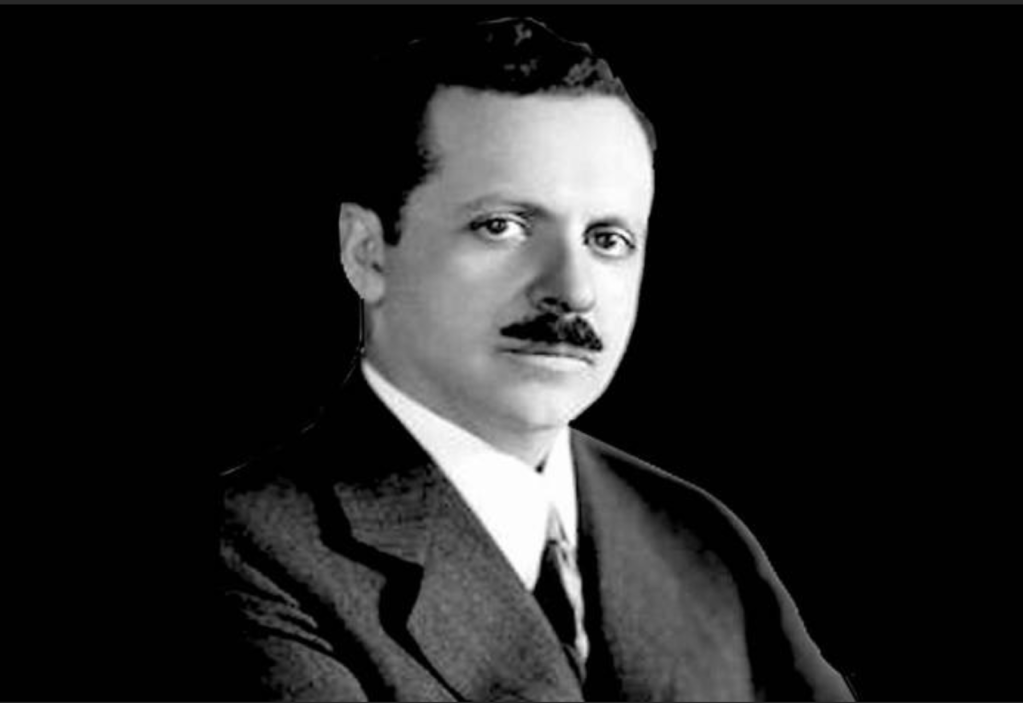
When it comes to public relations, not many have had the influence that Edward Bernays had. From changing social norms to his ideas of selling products, his strategies and ideas still play a role in today’s media world.
Bernays Ideas
In Drilled S3: The Mad Men of Big Oil (9 episodes), hosted by Amy Westervelt, the key figure Edward Bernays, known as the “father of public relations,” is highlighted. Bernays was heavily influenced and inspired by his uncle, Sigmund Freud, and believed that humans are driven more by unconscious desires, rather than conscious reasoning.
In his 1928 book, Propaganda, he argues that the conscious and intelligent manipulation of the organized habits and opinions of the masses is an important element in a democratic society. This idea is related to the corporate campaigns, according to the podcast, because of their focus on manipulation instead of transparency. In the first podcast episode, Westervelt explains how Bernays had the idea that public opinion could be influenced through psychology, media, and staged events. Westervelt goes on to say that fossil fuel industries adopted Bernays techniques decades later, shown in the “astroturfing” and “false equivalence” episodes of the podcast. Corporations used third-party organizations and both sides of the narrative to delay the regulation of climate change, which relates to Bernays because it controls the narrative of influencing public opinion.
Listen to the podcast to hear examples of Bernays’ influence in modern corporate campaigns: Drilled: The Mad Men of Big Oil, Season 3
The Legacy of Bernays
In Unit 1, Chapter 3: Ethics and Public Relations, slide two says integrity is, “Consistency between ethical principles and actions, upholding honesty, transparency, and trustworthiness,” which shows that Bernays’ work has had a lasting influence on the field of public relations and society as a whole. Some key aspects include:
- Power of Persuasion: Public relations isn’t just information provided; it’s the use of information in order to persuade beliefs and behaviors. The Public Relations Society of America (PRSA) states that public relations practitioners must “build trust with the public through all communications by revealing all information needed for responsible decision making,” which emphasizes transparency (PRSA, 2021).
- Ethical Tension: As seen in Bernays’ work, the use of persuasion in public relations when the audience is unaware of the intentions is manipulation. The article Introduction to PR Ethics restates that, “if PR isn’t honest or transparent, credibility falls apart fast. Ethical rules give us direction so we don’t wander into a mess or lose trust”, which shows that ethical standards must not deceive the people (NewswireJet, 2025).
- Social Impact: Public relations not only helps sell or promote products, but it can also change the way society thinks about certain brands, products, or scenarios.
- Relevance to Modern PR: Marketing and PR strategies use emotional appeals and third party endorsements to this day, which reflect Bernays’ influence.
Bernays’ approach professionalized public relations, but it also brought up ethical questions. By shaping beliefs without full transparency, his methods show the line between persuasion and manipulation. With raising caution about the power and ethical responsibility of PR professionals, Bernays still stays relevant in today’s media environment.
Works Cited
Harding, J. (2021, December 7). John W Harding. https://www.johnwharding.com/blowing-smoke-the-mating-of-propaganda-and-public-relations/
Westervelt, A. (2020, January). S3, Ep1: The father of public relations. Drilled. https://drilled.media/podcasts/drilled/3/drilleds03-e01
VH, N. (2025, June 22). Introduction to PR ethics: Building trust through honest communication. NewswireJet. https://newswirejet.com/introduction-to-pr-ethics/
PRSA code of Ethics. PRSA. (n.d.). https://www.prsa.org/professional-development/prsa-resources/ethics#code
Unit 1, Chapter 3: Ethics and Public Relations- Moore, J. (Ed.) (2024). Public Relations: Principles, Origins, and Practice.
Cognella Academic Publishing
 Site Title
Leave a comment